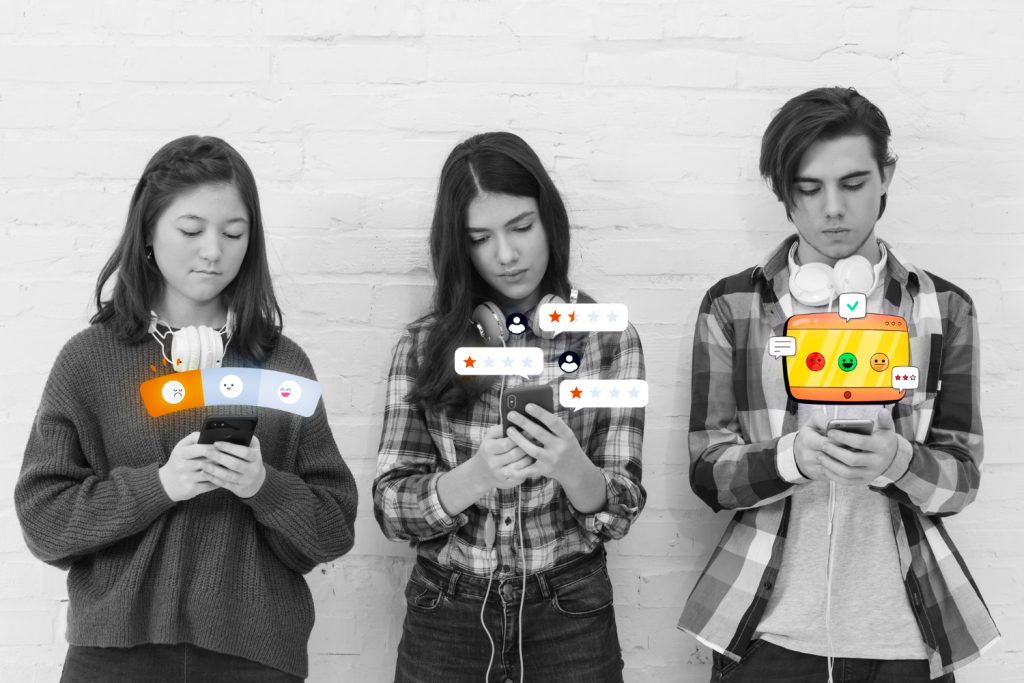
Consumer expectations are evolving rapidly, and brands that rely on outdated research approaches risk falling behind. In 2026, consumer research is no longer limited to collecting feedback at fixed intervals, it is about continuously understanding real behavior, motivations, and decision drivers across multiple touchpoints. Brands that invest in modern research practices are better equipped to innovate, reduce product failures, and build long-term loyalty.
According to Gartner, companies that connect customer satisfaction with business results are more likely to secure increased investment and deliver stronger outcomes. For example, research shows that organizations demonstrating the link between customer satisfaction and growth are 29% more likely to report CX budget increases and less likely to cut spending.
Below are the top 7 consumer research trends every brand should watch in 2026.
1- AI-Powered Consumer Insights
Artificial intelligence is reshaping consumer research by enabling faster, deeper, and more predictive insights. AI tools can analyze large volumes of structured and unstructured data such as surveys, reviews, and social conversations to identify patterns that traditional analysis often misses. Instead of static reports, brands now gain dynamic insights that evolve as new data flows in.
AI-driven research helps brands anticipate shifts in consumer preferences, detect early warning signs of dissatisfaction, and optimize decision-making in near real time.
Predictive behavior modeling
Automated sentiment analysis
Faster insight generation
“Companies using AI-driven analytics improve decision speed by up to 5x.” – McKinsey
2- Voice of Customer (VoC) Programs Expand
Voice of Customer programs are becoming central to brand strategy in 2026. Rather than relying on one-time feedback, brands are building continuous listening systems that capture consumer opinions across the entire journey from awareness to post-purchase experience. These programs help brands identify pain points early, improve retention, and strengthen customer relationships.
To support robust VoC programs, brands continue to rely on proven research methodologies such as CATI and CAWI, which deliver structured and reliable feedback at scale.
With mobile devices dominating digital interactions, consumer research is shifting decisively toward mobile-first approaches. Consumers are more willing to participate in short, intuitive surveys optimized for smartphones, leading to higher response rates and more authentic feedback.
Mobile research also enables contextual insights capturing opinions at the moment of experience rather than after the fact. This provides brands with a more accurate view of real-world behavior.
Short, mobile-optimized surveys
Location-based feedback collection
Higher completion rates
“Mobile surveys record up to 40% higher completion rates compared to desktop surveys.”
4- Social Listening and Community Insights
Consumers openly share opinions, frustrations, and recommendations on social platforms and online communities. Social listening tools allow brands to monitor these conversations, identify emerging trends, and understand sentiment in real time. Beyond monitoring, brands are increasingly engaging consumer communities to co-create products and refine experiences.
Community-based insights often reveal nuances that surveys miss such as emotional drivers, unmet needs, and early signals of churn.
Track real-time consumer conversations
Identify emerging needs and micro-trends
Engage communities for deeper insights
“Brands using social listening early in development report a 30% higher success rate for new launches.” – NielsenIQ
5- Behavior-Based Personalization in Consumer Research
Consumers now expect brands to understand their preferences and adapt accordingly. In 2026, personalization goes far beyond demographic segmentation. Brands are using behavioral, attitudinal, and contextual data to tailor messaging, offers, and product experiences.
“80% of consumers are more likely to purchase from brands offering personalized experiences.” – Salesforce
6- The Rise of Mixed Research Methods
No single research method can provide a complete picture of consumer behavior. Brands are increasingly combining quantitative scale with qualitative depth to gain more accurate and actionable insights. Surveys explain what consumers do, while interviews and discussions uncover why they do it.
Hybrid research approaches reduce blind spots and improve decision confidence.
Combine surveys with in-depth interviews
Add contextual and emotional insights
Improve prediction accuracy
“Brands using hybrid research report 25% higher accuracy in understanding consumer behavior.” – Kantar
7- Turning Consumer Signals into Strategic Advantage
As consumer behavior becomes more complex, successful brands in 2026 will rely less on assumptions and more on continuous, evidence-based insights. Whether it is understanding repeat purchase behavior, measuring value perception, tracking evolving expectations, or decoding the influence of social and contextual factors, the ability to capture reliable consumer data across touchpoints is what separates informed decisions from guesswork.
MLRS Global supports brands by combining structured methodologies such as CATI and CAWI with qualitative and behavioral research approaches to uncover not just what consumers say, but how they actually decide and act. This integrated research foundation enables brands to anticipate shifts, refine strategies, and build relevance in markets where consumer attention and loyalty are increasingly difficult to earn.
Digital research has transformed the way organisations collect data, and one of the most widely adopted methods today is CAWI – Computer-Assisted Web Interviewing. It is a modern, flexible, and cost-efficient way to conduct surveys online, reaching respondents anytime and anywhere.
What Does CAWI Mean?
CAWI refers to online surveys that respondents complete themselves through a computer, mobile, or tablet. The questionnaire is programmed into a web-based platform, and respondents provide answers at their convenience without an interviewer.
In simple terms, CAWI is a self-administered online survey where the entire process from question flow to data capture is managed through web-based software.
How CAWI Works?
A CAWI study typically includes:
Designing and programming the questionnaire in a survey platform
Uploading or integrating the respondent sample
Sharing the survey link through email, social media, panels, or websites
Respondent completes the survey online
Data is auto-captured, cleaned, and analysed
The system controls question routing, randomization, logic, and response validation to ensure data accuracy.
Why CAWI Is Widely Used Today
CAWI has become one of the most popular research methods globally due to its speed, scalability, and cost-effectiveness.
Key facts showing its relevance:
Online research (including CAWI) now accounts for over 55% of global research spend, making it the most used data collection method worldwide.
CAWI can be 40–70% cheaper than phone or face-to-face interviews due to reduced fieldwork and manpower costs.
Online surveys allow researchers to reach respondents across countries within hours, enabling faster turnaround and broader representation.
Main reasons organizations prefer it
Cost-Effective and Scalable No interviewer cost, no travel, and the ability to reach thousands of respondents simultaneously.
Fast Results Insights can be collected within hours or days, making CAWI ideal for time-sensitive studies.
Flexible and Engaging Formats Questions can include multimedia, images, videos, sliders, and interactive elements to improve engagement.
Reduced Interviewer Bias Since respondents answer independently, responses are more honest, especially on personal or sensitive topics.
Where CAWI Is Used
CAWI supports a wide range of research needs, including:
Consumer and brand perception studies
Customer experience, CSAT, and NPS surveys
New product testing and concept evaluation
Usage & attitude studies
Employee and internal organizational surveys
Social, academic, and policy research
CAWI vs Other Research Methods
Compared with traditional methods, CAWI offers convenience and lower cost, but it may not suit audiences with low internet access or studies needing probing. In many cases, researchers combine CAWI with CATI or CAPI to ensure balanced representation.
Is it Reliable for Global Research?
Yes. With internet access expanding rapidly, CAWI has become a mainstream method for global and multi-market studies. Increasing mobile penetration and online literacy make CAWI more feasible across diverse demographics.
Modern CAWI platforms now support AI-driven survey logic, real-time dashboards, mobile-first design, and multilingual surveys making online data collection smarter and more respondent-friendly.
CAWI brings speed, affordability, and flexibility to the research ecosystem. It empowers organiations to gather insights quickly and efficiently, while allowing respondents the freedom to participate atz their convenience. As digital research continues to grow, CAWI will remain a core method for collecting meaningful, scalable feedback. At MLRS Global, CAWI is part of our research framework used to support clients with digital-first data collection. It helps deliver timely and diverse perspectives across markets, strengthening the quality and agility of our research outcomes.